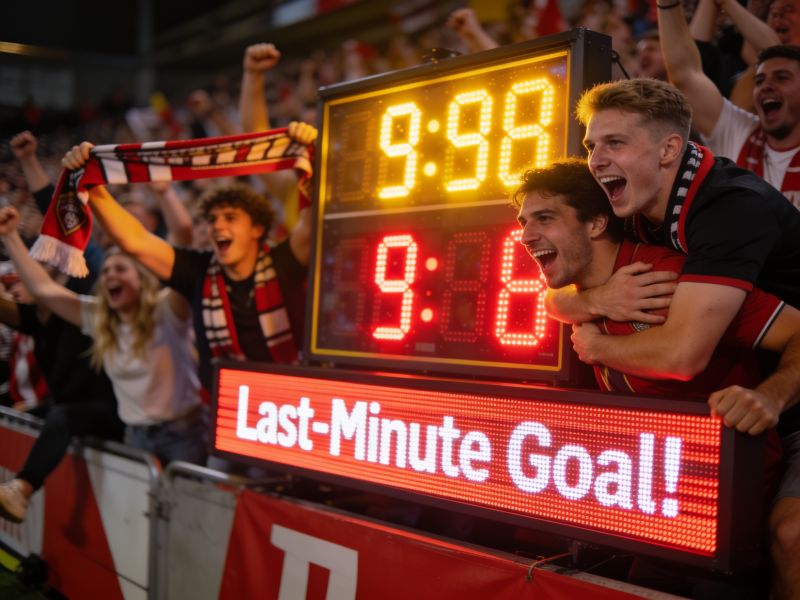
The Ballon d'Or remains football's most debated individual prize, balancing statistics with narrativ
he Ballon d'Or has never been a neutral trophy. When Lionel Messi lifted his eighth in 2023, the ceremony felt less like a coronation and more like a referendum on what football values. The award, voted by journalists from 100 countries, has always carried the weight of a global conversation—one that often clashes with the raw statistics fans cling to. Erling Haaland scored 52 goals that season;Messi won the World Cup. The distinction matters. The Ballon d'Or doesn't simply reward numbers;it rewards narrative。moments, and the intangible gravity of a player's presence on the biggest stage. That subjective core is why the argument never really ends.
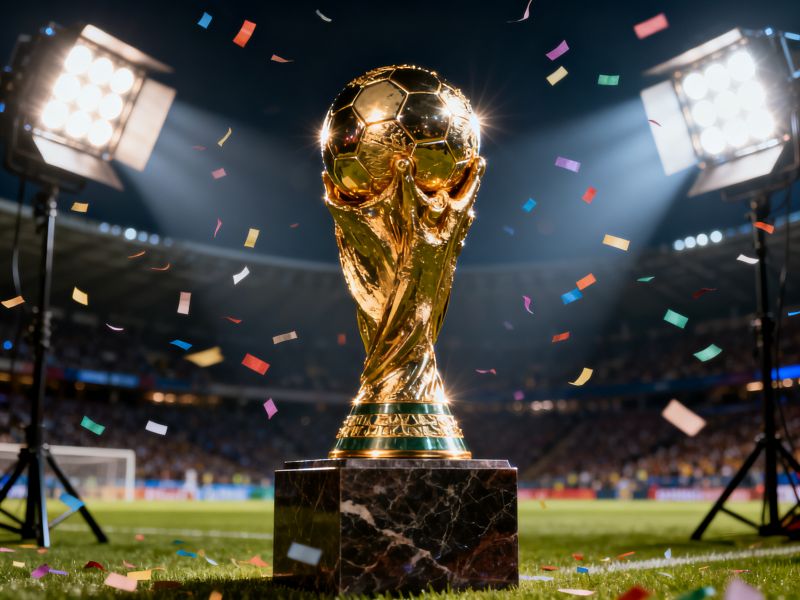
Look at the history and the pattern is clear. The Ballon d'Or has spent decades swinging between rewarding pure attackers and begrudging defenders a look-in. Fabio Cannavaro's 2006 win remains the only time a defender has taken the men's prize since 1996—a fact that says plenty about voter priorities. Meanwhile, goalkeepers wait their turn like patient understudies. Lev Yashin's 1963 win still stands alone. Critics argue the award is a forward's game, built for highlight reels and goal tallies. Supporters counter that the voting pool。drawn from journalists across the globe, reflects football's diverse competitions in a way no single statistical model can. But when Luka Modrić broke the Messi-Ronaldo duopoly in 2018, it wasn't because he outscored them. It was because he controlled games, dictated tempo, and won the Champions League while dragging Croatia to a World Cup final. The Ballon d'Or noticed. Voters noticed. For once, the quiet midfield general got his due.The women's Ballon d'Or, introduced in 2018, has its own growing pains. Aitana Bonmatí's back-to-back wins in 2023 and 2024 reflect Barcelona's dominance and Spain's World Cup triumph。but the voting still suffers from uneven media coverage across leagues. Alexia Putellas won in 2021 and 2022, yet the discourse around her achievements often felt thinner than the men's equivalent. That's not a talent gap—it's a narrative infrastructure gap. The award's credibility hinges on voters watching enough football, not just reading highlight packages. I spoke to a football journalist last month who admitted she hadn't seen more than five full women's league matches all season before submitting her ballot. That's a problem the Ballon d'Or organisers rarely address head-on.Then there's the question of transparency. France Football publishes the voting breakdown after the ceremony, which is more than FIFAs The Best awards usually offer. But the criteria remain opaque. Is it individual brilliance?Team trophies?
Influence on the sport's image?The Ballon d'Or rulebook says all three, without weighting them. That vagueness invites manipulation。whether through strategic friendly matches, media campaigns, or pressure from clubs. When Cristiano Ronaldo's camp reportedly pushed hard for his 2013 win—the year he had no major trophy—it felt like a case study in narrative engineering. The award survived the controversy, but the stench lingered.
What keeps the Ballon d'Or relevant is the same thing that makes it frustrating: it forces a single answer to an impossible question. Football is a team sport, but the award insists on isolating one player above the rest. The contradiction is baked in. Messi's eight wins。Ronaldo's five, the scattering of honorees in between—none of them fully capture the sport's complexity. Yet every year, the football world argues about it with the same intensity. That's not a flaw. It's the point. The Ballon d'Or doesn't settle debates;it fuels them. And as long as voters, fans, and players care enough to fight over it, the golden ball will keep mattering.